Where our cocoa comes from, who grows it, and why dairy-free is better for the planet — openly and honestly, with none of the green spin.
CO2e per 1 kg of VGAN chocolate, at the factory
Skipping milk is one of the most effective things we can do to cut chocolate's carbon footprint. Ours comes in at about 0.7 kg CO2e per kilo at the factory, before logistics (measured with CarbonCloud) — against 4–13 kg CO2e for conventional milk chocolate. Same indulgence. A fraction of the impact. And we keep working to bring it lower.
Our cocoa comes from Sierra Leone and the Democratic Republic of the Congo, through our long-standing partner Tradin Organic in the Netherlands. We buy from established cooperatives and growing communities in the same regions over time. The cocoa is traceable through the supply chain and processed at Tradin's own facility in the Netherlands — so we have real control over where it comes from, right from the start.
But traceability is about more than knowing where the beans come from. Through Tradin's programmes, farmers are paid above the local market level, with a premium for organic cocoa. There is systematic work to prevent and detect child and forced labour, while local savings groups help build more financial security between harvests. No big words — just long-term relationships, traceability and better conditions, season after season.
Grown to certified-organic standards, without synthetic pesticides or fertilisers. Our bars are USDA Organic — organic all the way through.
Cocoa from Sierra Leone naturally has low cadmium levels compared with cocoa from many other origins. We test it regularly for both cadmium and lead, so we can follow the levels from raw bean to finished bar.
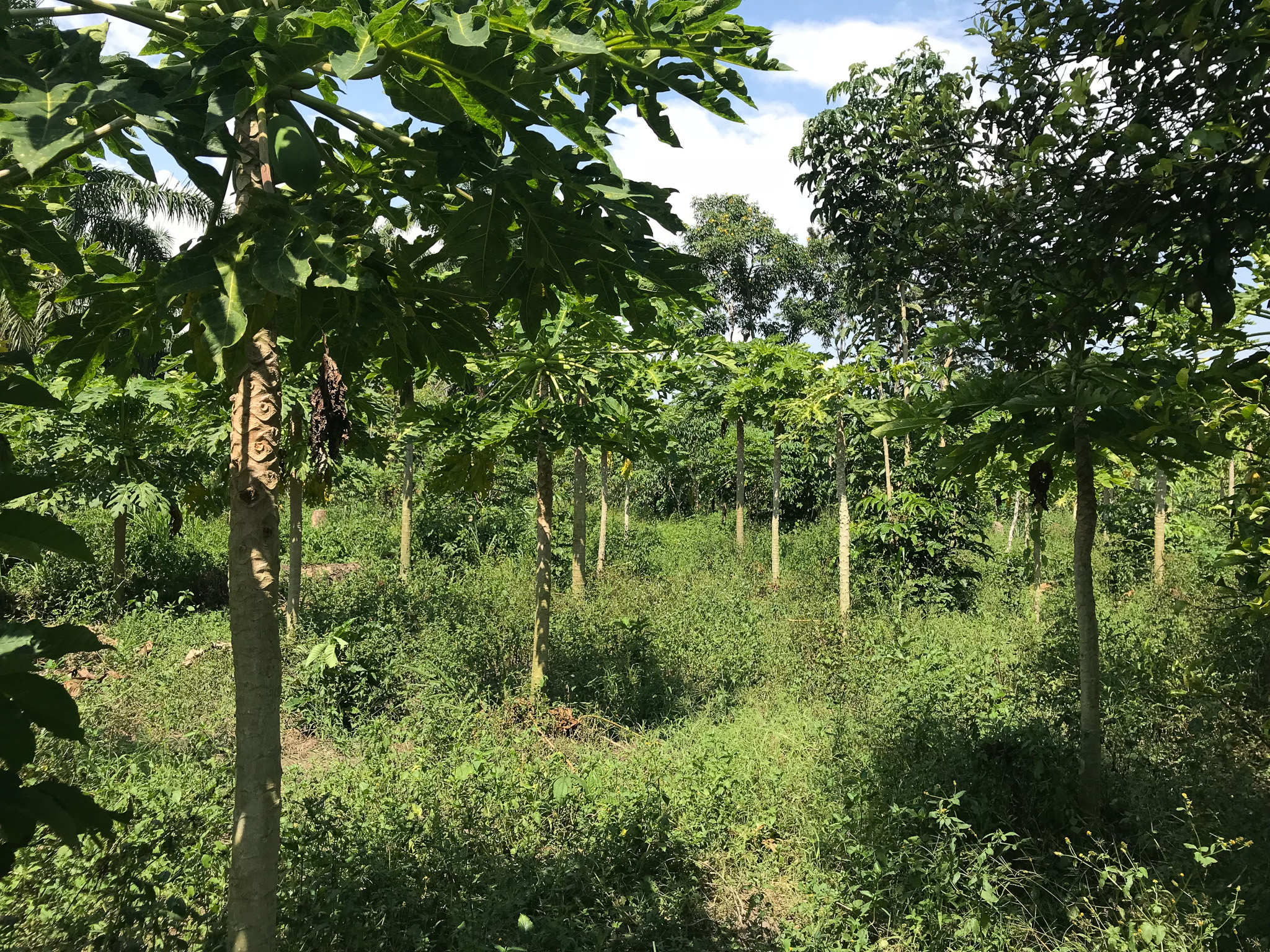
Cocoa is grown in agroforestry systems, where cocoa trees grow alongside other trees and plants. That makes better use of existing farmland and helps ease pressure on the forest around the Gola Rainforest, while Tradin's programmes support restoration and replanting.
Responsible cocoa growing is about more than the farm itself. Through local programmes, Tradin supports training, education and community development around cocoa production — so the value created reaches more people, not just the harvest.
Want the detail behind any of this? Our partner publishes their sourcing and sustainability work in full at tradinorganic.com.

B Corp certification means our work is assessed against independent standards for how we affect people and the planet — not just what we say, but what we can actually document. We carry that same thinking through the whole supply chain.
We've signed Norway's Guide Against Greenwashing (SKIFT), committing us to be concrete, transparent and accountable when we talk about sustainability. Here's some of what we can document.
Our bars are certified organic and vegan — USDA Organic in the US and EU Organic in Europe, and always dairy-free.
Through Tradin Organic and our work with Fairfood, we work toward greater traceability in the cocoa chain and better economic conditions for the people who grow our cocoa.
We're systematically reducing plastic and making our packaging easier to recycle. The goal is packaging that protects the chocolate well, with as little unnecessary material as possible.
We use CarbonCloud to calculate our chocolate's carbon footprint — based on the ingredients and the supply chain behind the product. That gives us a documented baseline to measure, compare and reduce the footprint over time.
Anyone can print a leaf on a wrapper. We started somewhere else — with the ingredients, the recipe, the supply chain and the numbers. A lower footprint is about how the chocolate is actually made, not how the wrapper looks.